The Notorious Case of Rudy Kurniawan
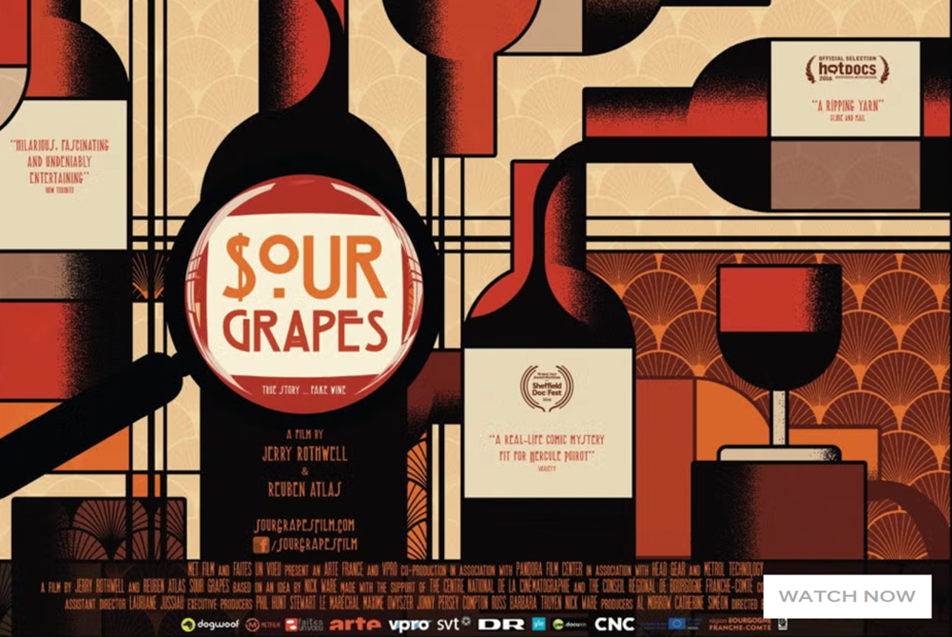
In 2013, Rudy Kurniawan stood in a New York courtroom as prosecutors laid out the biggest wine fraud case in history. Between 2004 and 2012, Kurniawan duped some of the world’s wealthiest collectors, selling counterfeit bottles that he had blended in his California home. He fabricated entire vintages, created false provenance, and made millions at auction houses before he was caught. His crime led to a global investigation involving the FBI, Burgundy producers, and even the Netflix documentary Sour Grapes. He was released from jail in 2023, and today he capitalizes on his nefarious talent by hosting blind tastings in which he gives participants the opportunity to spot (or rather, taste) the fake.
Kurniawan’s story rocked the fine wine industry because it exposed how vulnerable even the most experienced collectors can be. If top sommeliers, auction houses, and seasoned buyers could be fooled, what chance does the average wine consumer have? Are we still vulnerable today? Fortunately, Kurniawan’s story catalyzed innovation in wine security technology, and today we have myriad ways to protect our wine.
How Criminals Target Wine
Counterfeiting Wine. According to counterfeit wine expert Maureen Downey, founder of Chai Consulting, LLC and WineFraud.com, up to 20% of the global wine trade is fake. Sometimes it’s a $10 rosé passed off as a $40 vintage. Other times, it’s a doctored “rare” Burgundy auctioned for tens of thousands. Some have reverse-engineered a Coravin wine preservation tool so they can drain bottles and refill them—capsule intact. Others forge receipts and certificates of authenticity. Even winemakers must beware, as there have been instances of high-priced grapes being swapped for those of lesser quality, or mass-produced bulk wines bottled as convincing replicas of mid-range wines.
Wine presents a unique opportunity for criminals in that it can be faked without being fake. Unlike gold, even counterfeit wine is still wine, and therefore could be bought and consumed without the consumer even knowing they were swindled. In MW Anne Krebiehl’s 2017 article in the World Fine Wine, she points out that new money added fuel to the fire, as the nouveau rich consumers went straight to Grand Cru-level before drinking wines at lower price points, their palates may have been less discerning to recognize fakes. Also, because it is often designed to age, a collector may not even notice it is fake until decades after acquiring the wine, when all traces of the counterfeiter or thief are gone. Once fakes and stolen goods hit the secondary market, they blend into legitimate supply chains.
Counterfeiting Provenance. It’s especially important to maintain the paper trail of fine wine. Provenance, or proof of a wine’s authenticity, means having documentation of its origin as well as proof of ownership, proper storage and shipping conditions. The past 5 years has brought about a surge of alternative investments, including fine wine, and with that, an opportunity for more fraud. Beware illegitimate wine brokers selling fake wine futures, or even wine investments without the actual juice to back it up.
Good Old-Fashioned Burglary. In 2021, a Michelin-starred restaurant in a hotel in Spain lost $1.7 million worth of rare bottles when a couple brazenly walked out with 45 bottles by distracting the manager so they could steal his master key to the cellar. In 2014, the French Laundry in California was hit for half a million in wine. And around the Bay Area, wine and liquor stores are frequent targets for “smash and grabs.” In all of these cases, camera footage shows thieves observing their targets first, taking note of where the most expensive wines are. For retailers and warehouse owners alike, we pay attention to where high value wine is placed, because so do thieves.
Insider Threat. Retail shops, storage facilities and cellars have suffered from employees walking away with customers’ prized vintages. For years, Sausalito Cellars wine storage owner Mark Anderson had been selling his customers’ wine without their knowledge. Then in 2005 he set fire to a warehouse in California – burning over $250M of wine in the process– to destroy evidence of his embezzlement operation.
Protect Yourself from Black Market Wine
Anyone who buys, sells, or collects wine can be a target. Here are a few considerations to protect yourself against buying or selling counterfeit or stolen wine:
Physical Security
- Use secure storage facilities with recorded surveillance and access controls. Wine Storage Partners utilizes CCTV that is recorded by a third-party security company, plus individualized access codes or fobs for every person that records their entry and exit. We know who enters the cellar and where they go, 24/7!
- Invest in proper cellar locks and insurance. Wine Storage Partners has multiple security monitoring, alarm and locking systems in place, but for several reasons Wine Storage Partners does not insure our customers’ wine. The wines stored at our facilities have vastly different values, and as it is a self-storage model, we do not have full control of individuals’ inventories. However, you can easily add it on as part of your homeowner’s insurance.
Provenance and Chain of Custody
- Buy from reputable retailers, distributors or directly from producers. Common sense always prevails: if the price seems too good to be true, it probably is.
- Look for certificates of authenticity or digital records of provenance. Many producers incorporate tamper-proof electronic tags in their labels and corks, embed unique codes or micro-etch serial numbers on bottles to facilitate electronic chain of custody.
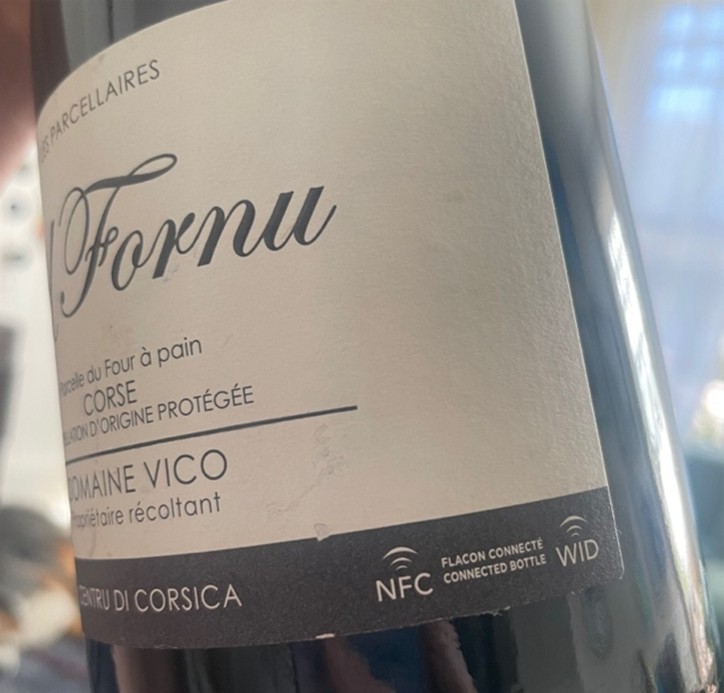
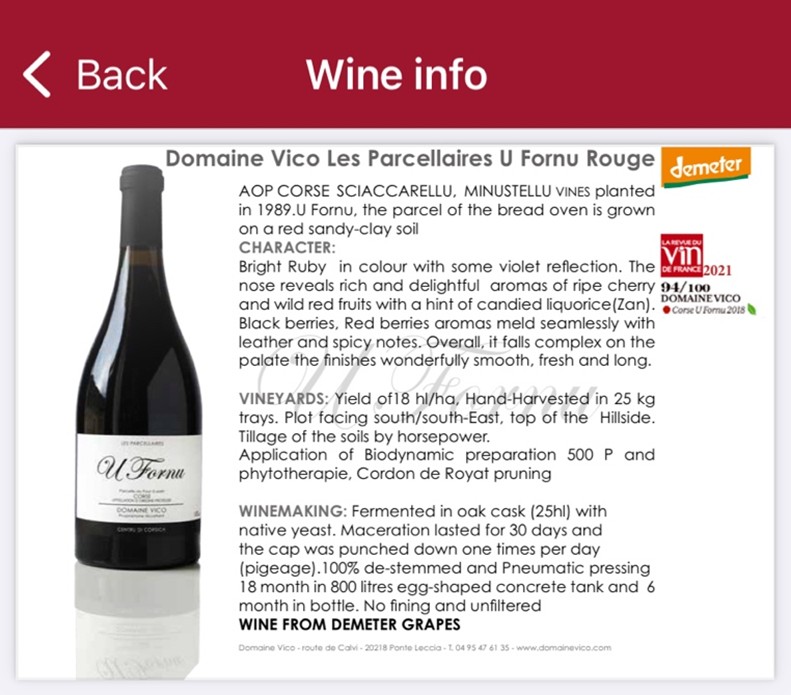
Domaine Vico, a boutique Corsican winery, uses NFC tags in labels so buyers can verify authenticity and access wine details by scanning with a phone.
- Keep an inventory of your wine and update it! For high value collectible wines, provenance and chain of custody are paramount. Many buyers and auctioneers will not even look at your wine if it does not have proper receipts, original packaging, or otherwise a seamless chain of custody. According to John Sweeney,Auction & Acquisition Advisor at K&L Wine Merchants, “We thoroughly inspect every bottle that we sell, and we go to significant lengths to validate the provenance of each collection and how it was stored. We frequently go to homes and remove wines from cellars, pick up from storage facilities and make sure the wines were stored correctly.”
- Another consideration in security is transportation. Consider transportation services that specialize in fine wine moving. While FedEx and UPS are two of the most common carriers for wine, their trucks and warehouses are not always climate-controlled, and they are notorious for delivering shattered bottles and cooked wine, not to mention they do not track what’s inside the boxes. Fine wine transportation services do not come cheap, so consider the cost of your wines relative to your risk tolerance. They should, at a minimum, have climate-controlled transportation optimized for wine, insurance options, but ensure also that they have an air-tight chain of custody process.
Fighting Back with Tech
Wine fraud has become a high-tech arms race. As criminals become more sophisticated, so do the countermeasures. Advancements in the past decade have enabled those in the wine trade to authenticate wine, prevent theft and counterfeiting, as well as ensure a seamless chain of custody.
Smart packaging. Consumers can check a bottle’s authenticity by scanning a QR code or using a mobile app to view blockchain-verified details on its origin, production, and distribution. UK-based Vine International Warehouse utilize UV lights to determine the density, age and color of wine labels. They also inspect the wine crests and printing quality utilizing an ultra zoom camera (400x) Cork branding can be an indicator of a fake. The facility only accepts wines in pristine condition, and then issues a Vine Seal to show they are compliant with Liv-Ex standards, and labeled with a unique serial number. Holograms, invisible ink, Prooftag labels and QR codes help track provenance.
Blockchain. Consumers can check a bottle’s authenticity by scanning a QR code or using a mobile app to view blockchain-verified details on its origin, production, and distribution. Maureen Downey’s proprietary system Chai Vault uses blockchain to track 60 separate authenticity markers on a bottle—everything from cork chips to holograms—creating a digital fingerprint that’s nearly impossible to fake. Platforms like Chai Vault ensure authenticity in an encrypted ledger. Blockchain-backed certificates are also being used by brands like Glenlivet for whisky. Startups like Crurated log every step of a bottle’s journey, from winery to warehouse, ensuring a tamper-proof record. Meanwhile, producers like Laurent Ponsot, who helped bring down Kurniawan, now embed digital chips in their Burgundy bottles to make fakes harder to pass off.
AI and Spectral Analysis. In 2024, a team from the University of Geneva in Switzerland assessed the chemical composition of 80 red wines from seven different Bordeaux châteaux and 12 different vintages between 1990 and 2007. researchers achieved nearly 100% accuracy in identifying a wine’s estate of origin by analyzing chemical compounds with AI.
NFC chips and laser coding. Winemakers such as Laurent Ponsot and Hardy Wine Co. embed chips or use DNA-infused inks to make their bottles verifiable. Domaine Vico, above, uses NFC tags to identify their wines.
How to Spot a Fake Wine
Even the best forgers slip up. According to K&L auction expert John Sweeney, “If we come across a wine that we believe is not authentic we simply won’t sell it. When the situation arises, we ask for documentation on where the wine was purchased so we can research it further.” While the best way to spot a fake is to call in an expert, the following are some ways to spot. fake:
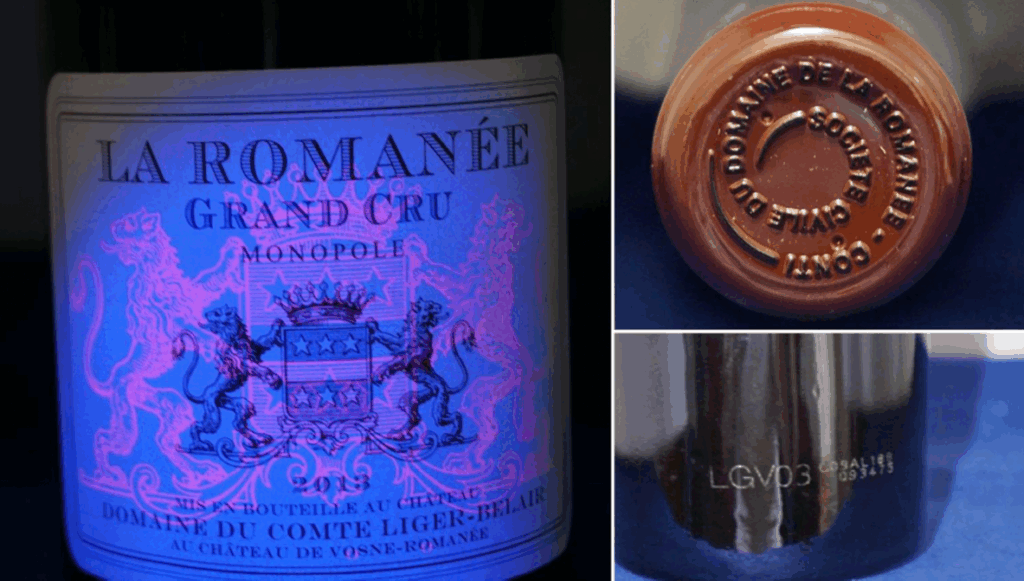
- The label: Look for uneven fonts, smudged print, or off-center crests. A magnifying glass can reveal flaws invisible to the naked eye. UV light can reveal new materials that did not exist at the time of bottling or repairs to the label or bottle that have been done to restore or fake a vintage. Some winemakers will inscribe invisible markings only visible with blacklight.
- The glass: Many wineries engrave serial codes or laser markings. A missing or inconsistent mark is a red flag.
- The cork: Branding on the cork should match the producer. Corks that are too new and unstained for an old vintage, or cork extractor markings.
- Sediment: Aged reds usually show deposits or crystals. A perfectly clear 30-year-old Bordeaux is suspicious.
- Provenance paperwork: Cross-check invoices and certificates. Forgeries often pair genuine bottles with fake records.
Obviously, some of the measures are costly and/or time-consuming. Like any investment, the amount you are willing to spend to ensure that you have the real deal and that it remains in your possession tends to increase the more valuable the wine is. While most of us won’t be running out to the nearest spectral analysis lab to determine if our wine is real, it’s always good to be aware of the risks associated with wine collecting and to know your options when you plan on making an investment in wine.